Warning signs that body shows two weeks ahead of heart attack: Doctor explains | Health
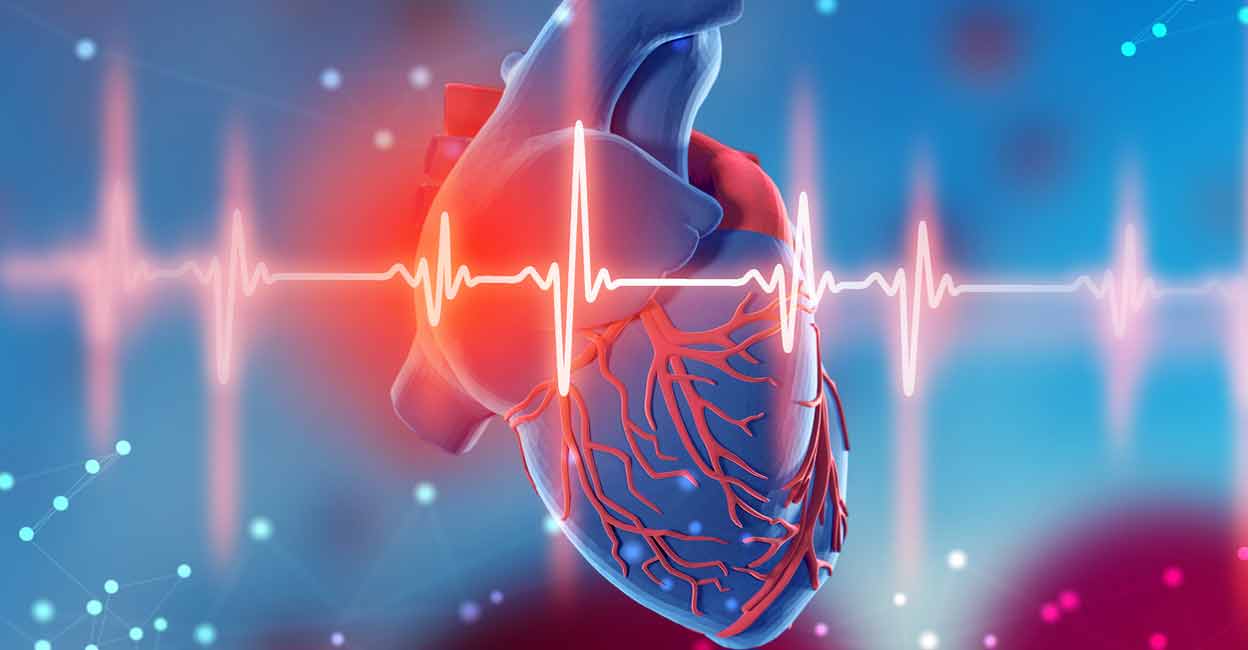
Most people who are rushed to the hospital with symptoms of cardiac arrest say that they couldn’t recognise the signs in advance. Photo: iStock/Rasi Bhadramani
Heart attack has now become the most feared health condition, especially among youngsters. At the same time, seemingly healthy young adults collapsing at the most unexpected of places is something that happens quite often. But, did you know that the body begins to show some urgent signs at least two weeks before the cardiac arrest, to indicate that something isn’t right? Dr Deepak Davidson, an interventional cardiologist at Caritas Heart Institute, speaks to us about such signals that shouldn’t be ignored.
Most people who are rushed to the hospital with symptoms of cardiac arrest say that they couldn’t recognise the signs in advance. Some of them even regret not detecting the disease earlier so that they could have started treatment before things got worse. Apparently, most people may not feel the symptoms as pains or aches that cause them any discomfort. Unlike what is shown in the movies, severe chest pain is felt during heart attacks only in sporadic cases. A majority of people feel as if gas is trapped in their chest, while some may experience a mild ache in their chin or neck. This is one of the main reasons why people fail to recognise these symptoms. The person who had a heart attack may have felt like having gas trouble in the chest while walking briskly two weeks ago. He/she may have dismissed it merely as gas because most people associate an excruciating chest pain with a heart attack. Besides, they may have felt relief after resting for a while.

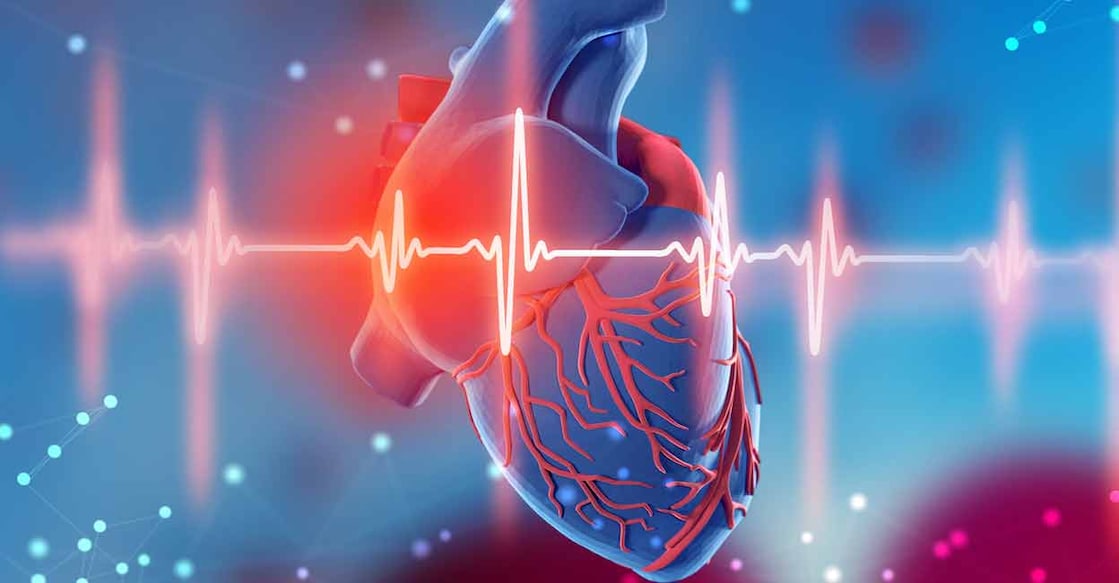
The person who had a heart attack may have felt like having gas trouble in the chest while walking briskly two weeks ago. Photo: iStock/Rasi Bhadramani
Symptoms to watch out for
The risk of a heart attack is higher in persons who are diabetic, smoke, have high blood pressure and cholesterol or have a family history of heart ailments. Such people should be alert even to the minutest changes that happen in their daily lives. For instance, if a person who regularly climbs three storeys suddenly feels uneasy, struggles to catch their breath, or experiences gas issues, these signs shouldn’t be brushed aside. It could be a warning sign of an impending heart attack. If you feel an unusual discomfort or heaviness in the chest, then you should consult a doctor and conduct necessary tests to ensure that your heart is safe.
Do you sit for hours?
There is a popular discourse about whether exercising regularly reduces the risk of a heart attack. The risk of a heart attack is eight times higher in a smoker than in a non-smoker. It is said that ‘sitting is the new smoking’. So, the risk of cardiac arrest is eight times higher in a person who works by sitting from morning to evening than in someone who exercises regularly. But the truth is that most people are forced to sit for hours as part of their job. The majority of them are engaged in jobs that involve sitting in front of a computer for hours. So, it is critical to spend at least half an hour every day exercising. You could try brisk walking, jogging or cycling at least five days a week or work out at the nearest gym to keep your heart stronger and healthier.
onmanorama-topic-general-topics-18-healthcare onmanorama-topic-general-topics-76-health 5ikh085dcfk9isrlqjjrdp7qp5-list onmanorama-topic-general-topics-18-heart-diseases 5b9vsielt2dvr4lg8lebt6qted-list 4lvuo05c3g89qlq7ogd4svsuql onmanorama-topic-general-topics-7-cardiac-arrest
link
:max_bytes(150000):strip_icc()/Health-GettyImages-VegetarianFoodsOmega3-63d36cb5d133493798956d8d2d3b530a.jpg "5 Vegetarian Foods Loaded With Omega-3 To Support Heart Health")