Vitamin K: The forgotten vitamin that keeps your bones strong and heart safe
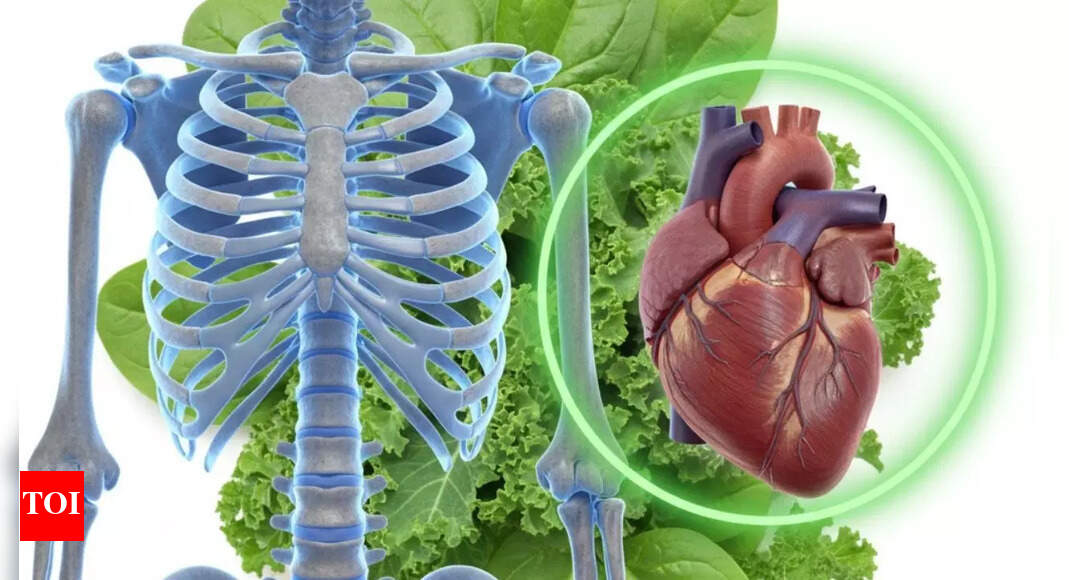
Vitamin K rarely makes health headlines, yet it plays a crucial role in keeping both your bones and heart strong. Beyond helping blood clot, it ensures calcium goes where it should, into your bones, not your arteries. Skipping your greens or fermented foods could quietly weaken this vital balance over time. Take a look
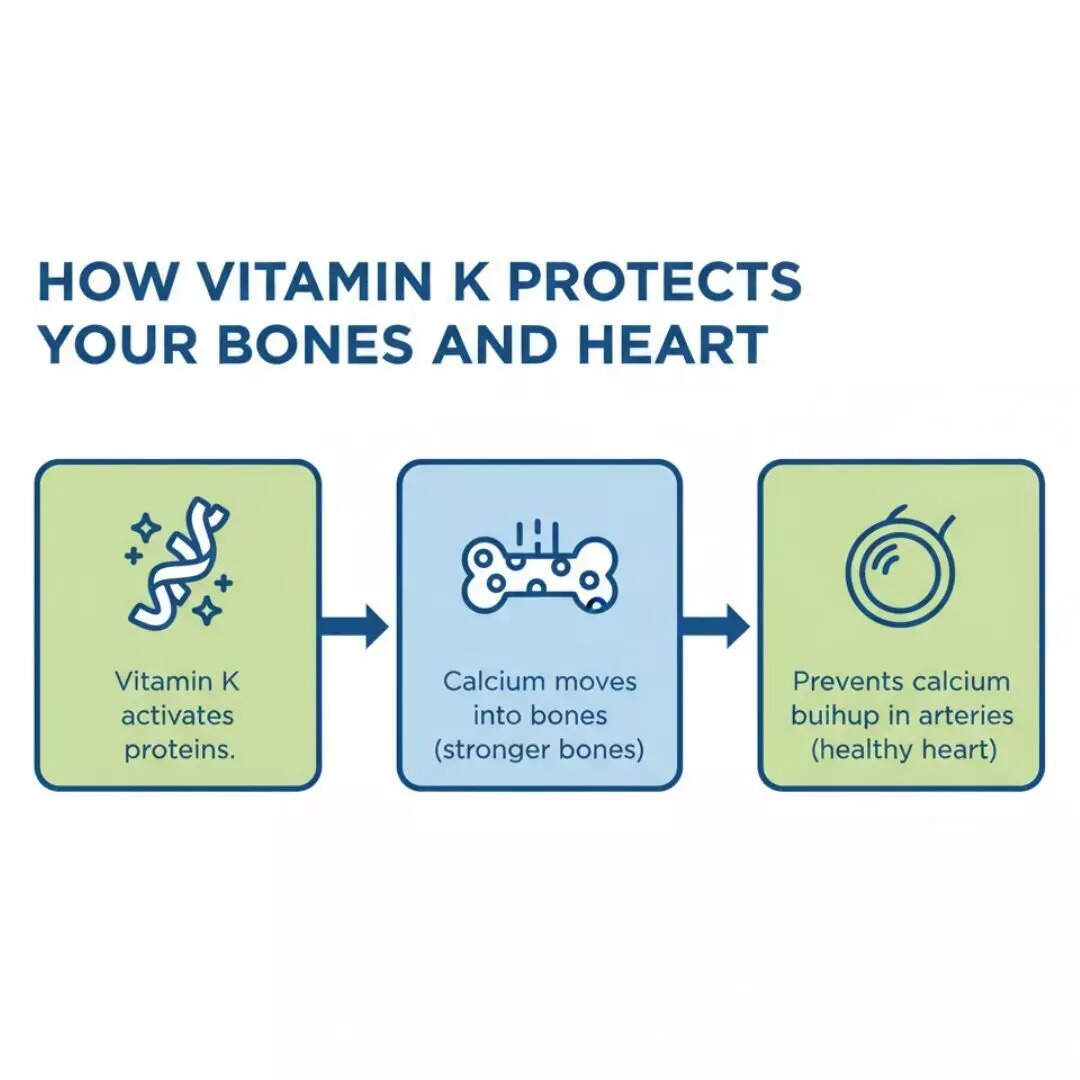
Most people know Vitamin K as the nutrient that stops bleeding when you get a cut. But doctors say it quietly does far more; it activates proteins that help calcium bind to bones instead of sticking to artery walls.According to the National Institutes of Health (NIH), Vitamin K supports both blood clotting and calcium metabolism. Without enough of it, bones lose density while arteries harden, increasing the risk of fractures and heart disease.
Types of Vitamin K and how each supports your body
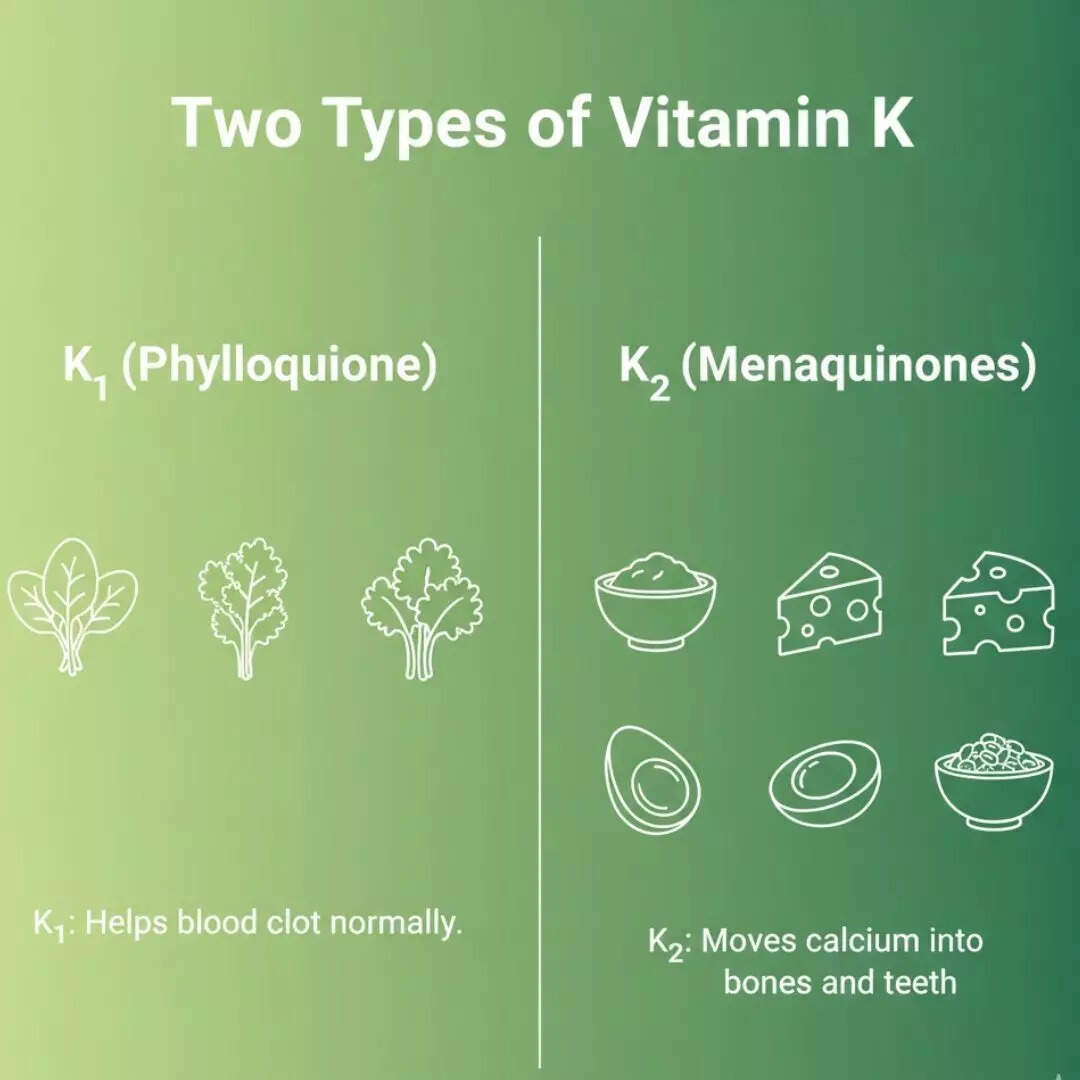
Vitamin K exists in two main forms: Take a look
- Vitamin K₁ (phylloquinone): Found in green leafy vegetables; supports normal blood clotting.
- Vitamin K₂ (menaquinones): Found in dairy, eggs, meat, and fermented foods; helps move calcium into bones and teeth.
Why modern diets often cause Vitamin K deficiency
Many people fall short of Vitamin K not because food is scarce but because daily diets lack greens and fermented foods. Over-frying or overcooking vegetables also destroys much of the vitamin.Long-term antibiotic use, liver disease, or fat-absorption disorders can further lower Vitamin K levels since it is fat-soluble and requires dietary fat for absorption.
Common signs and symptoms of low Vitamin K
Severe deficiency is rare, but mild insufficiency can appear as:
- Easy bruising or frequent nosebleeds
- Slow wound healing
- Weak bones or repeated fractures
- Early signs of arterial stiffness in older adults
Infants are especially vulnerable, which is why newborns are given a Vitamin K injection to prevent bleeding disorders.
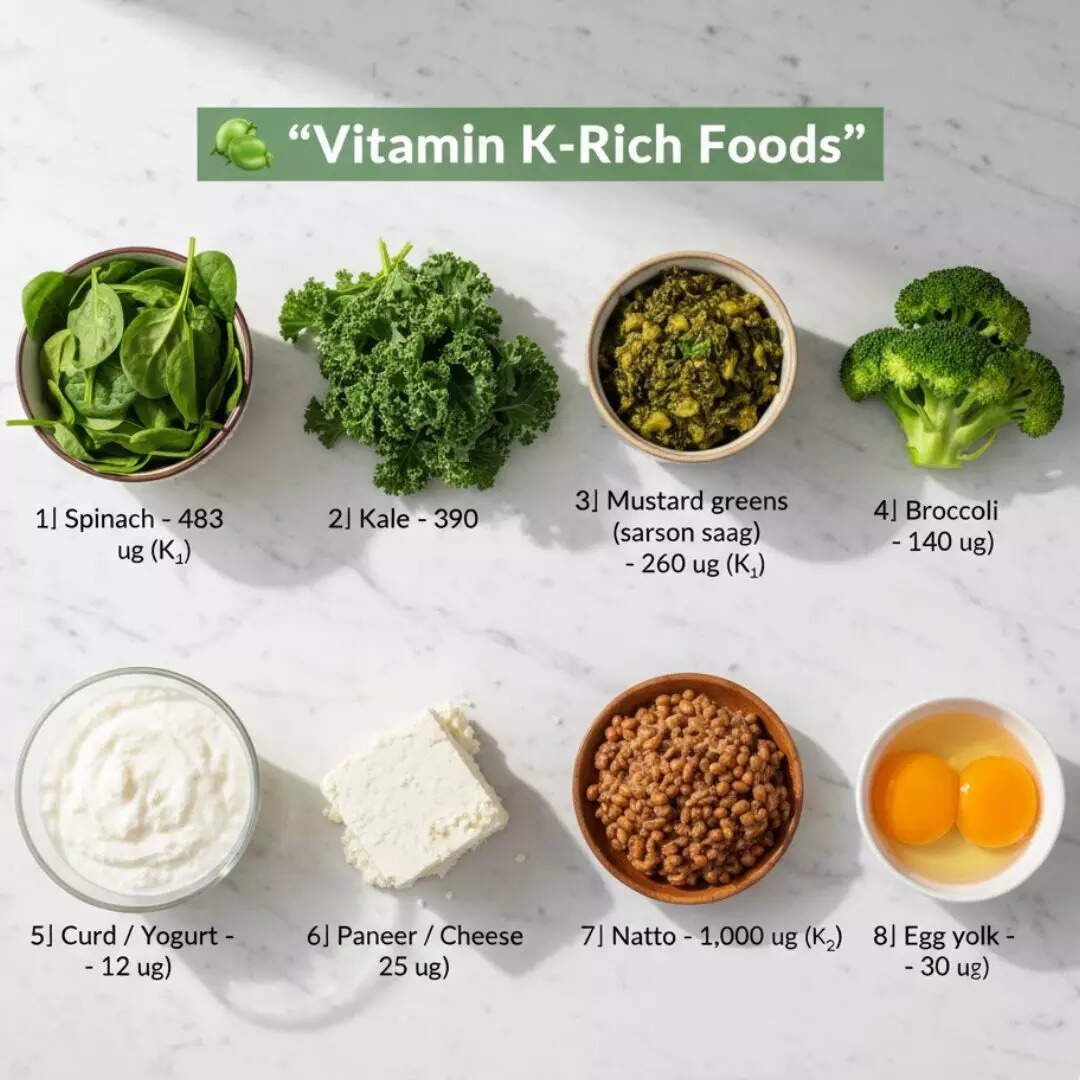
Best natural food sources of Vitamin K
Adding a small amount of healthy fat, such as mustard or olive oil, to salads or greens improves absorption.
Daily Vitamin K requirements for adults
Your vitamin K needs vary based on age and sex. The chart below lists the average recommended daily intake in micrograms (mcg).
Source: NIHBecause Vitamin K is fat-soluble, deficiency develops slowly, but the body does not store much of it, so consistent intake is important.
Caution for people taking blood-thinning medication
People taking blood-thinning medications such as warfarin should be cautious about sudden changes in their vitamin K intake, as this vitamin directly affects how the drug works. According to Harvard Health Publishing, the goal isn’t to avoid vitamin K-rich foods like spinach, kale, or broccoli, but to keep intake consistent so your blood’s clotting level (INR) remains stable. Newer anticoagulants such as apixaban, rivaroxaban, and dabigatran don’t interact with vitamin K, but anyone on warfarin should always consult their doctor before making dietary or supplement changes.
Vitamin K and bone health: The missing link
Vitamin K plays a crucial role in bone health, working synergistically with Vitamin D and calcium to strengthen bones. It activates osteocalcin, a protein responsible for binding calcium to bone tissue, which helps maintain bone density and structural integrity. Without adequate Vitamin K, osteocalcin remains inactive, and calcium cannot be efficiently deposited in bones, leaving them weaker even if calcium intake is sufficient. Research increasingly highlights that Vitamin K is an essential yet often overlooked nutrient in bone-health strategies. Ensuring sufficient Vitamin K intake, alongside calcium and Vitamin D, supports stronger bones, reduces fracture risk, and promotes long-term skeletal health.
The takeaway on Vitamin K and overall health
Vitamin K quietly keeps two vital systems balanced: blood clotting and calcium regulation. A serving of leafy greens, a bowl of curd, or lightly cooked saag each day can meet your body’s needs.Instead of focusing only on calcium or Vitamin D, think of Vitamin K as the nutrient that directs calcium to the right place: into your bones, not your arteries.Making small mindful choices, like adding greens to lunch or choosing fermented foods, can go a long way in protecting long-term health. Experts suggest pairing Vitamin K-rich meals with healthy fats for better absorption. In a world chasing supplements, this quiet nutrient proves that everyday foods remain your strongest defense for bones and heart. Beyond its role in calcium regulation, Vitamin K supports proper blood clotting and may help reduce inflammation, which is linked to chronic diseases. Incorporating foods like spinach, kale, broccoli, and natto into your daily routine is simple yet impactful. Over time, these small dietary adjustments build a foundation for lasting wellness, helping to maintain strong bones, a healthy cardiovascular system, and overall vitality, all without relying solely on pills or powders. Mindful eating, after all, is not just about nutrients—it’s about cultivating habits that support your body for decades to come.
Disclaimer: This article provides general information for educational purposes and should not be considered medical advice. Please consult a qualified healthcare professional for personalised guidance.
link
:max_bytes(150000):strip_icc()/Health-GettyImages-VegetarianFoodsOmega3-63d36cb5d133493798956d8d2d3b530a.jpg "5 Vegetarian Foods Loaded With Omega-3 To Support Heart Health")