Families struggle after change to food voucher program
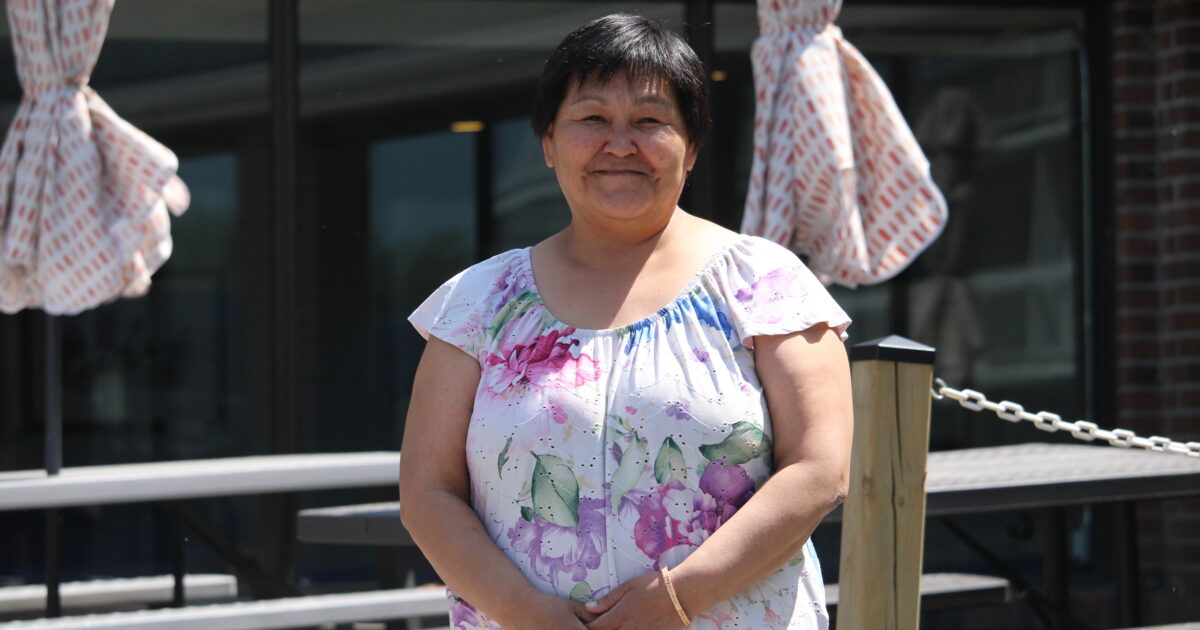
Some Inuit families in Nunavut are struggling financially, following the federal government’s cancellation of a children’s food voucher program this year.
The universal food voucher program was a part of the Inuit Child First Initiative, which provides Inuit families money to help pay for their children’s health and education needs.
The program, which started in 2024, gave $500 worth of food each month for every Inuit child under age 18, and an additional $250 for children under four to be used for things like diapers and baby formula.T
Though funding for the Inuit Child First Initiative was extended by the government for another year in March, the food voucher program was modified. Instead of being available to every Inuit family with children, it now funds children only on a case-by-case basis.
The vouchers were “so helpful for a large family,” said Rhoda Komangapik, a Pond Inlet mother, in a recent interview.
When the program was in place, she said, “I felt so much happier for [my family] that the food was on the table and we were mostly cooking now [and they] ate whatever they want to eat.”
Komangapik currently does not work in order to take care of her disabled seven-year-old daughter.

Like many Nunavut families, due to the territory’s housing shortage, Komangapik shares a home with four adults and 10 children.
All the adults are employed except her older daughter, who is on medical leave. Even so, without money coming in from the food voucher program, making ends meet has been difficult, she said.
Like Komangapik, Alurut Qaunaq shares a home in Igloolik with three generations of adults and children.
Quanaq has two children, while her brother and sister-in-law have six kids ranging in age from two to 16. Quanaq works as an assistant in NDP MP Lori Idlout’s Igloolik office, while her brother is self-employed. Her sister-in-law is a stay-at-home mom.
The household monthly income can vary from $6,000 to $10,000 before taxes, depending on her brother’s business income, but that’s a rough estimate she said.
That puts them pretty much in line with other Nunavut households. According to Statistics Canada, in 2022 the average monthly income in the territory before taxes was just over $7,800.
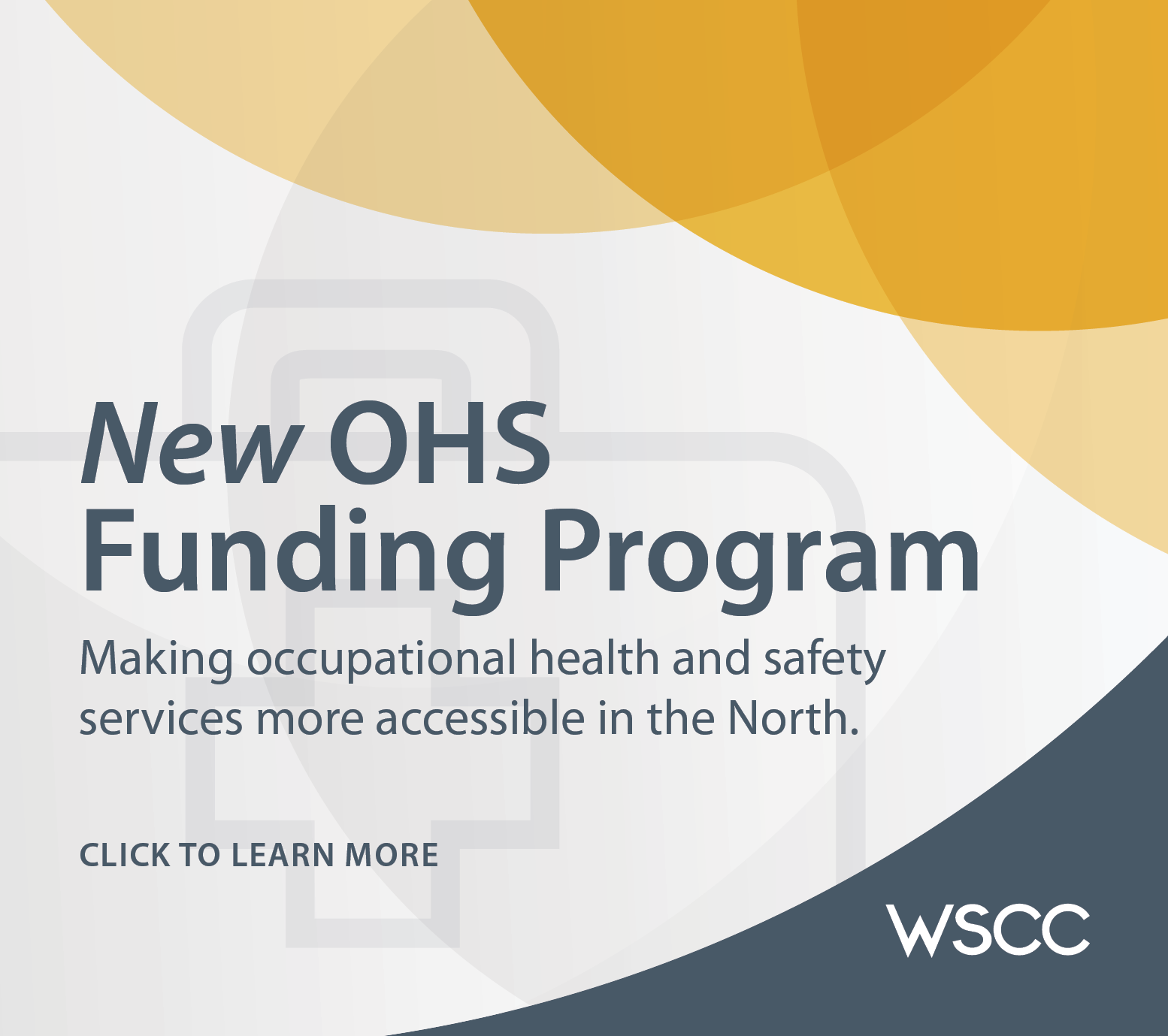
Even with the family’s relatively high income, Quanaq said, “it is still not enough.”
She said part of the problem is that Nutrition North — the federal program that subsidizes the price of healthy foods — doesn’t do enough to reduce the price of groceries. Its shortcoming is felt even more acutely now that the food voucher money has been taken away.
“Nutrition North is no help,” Quanaq said. “They look like they are lowering the prices, but they are way up, like triple.”
She said her family pays more than $3,500 per month for groceries.
Before the food voucher program was introduced, the family had to make sacrifices, like scrimping on clothing purchases in order to buy food. That changed when the food voucher funding started — the family no longer had to choose between putting food on the table or shoes on the kids’ feet.

“The kids were happy,” Quanaq said, and their grades in school improved.
Now that it is cancelled, they are going without again. There isn’t as much food for them.
And Quanaq noticed a difference right away.
“The kids are sleeping longer. They don’t really want to play outside,” she said.
“They ask for more food. Sometimes we can’t afford it, we have to wait to get paid.”
She said other families are reaching out to her asking for food.
Last week, Idlout called on the federal government to reinstate the food voucher program.
Speaking in the House of Commons on June 16, she recounted the story of one woman she knows: “Mosie is a single mom in Taloyoak. Her monthly income is less than $1,100. The Inuit Child First Initiative helped to feed her children, every day,” Idlout said.
She added, “At 42 per cent, Nunavut has the highest rate of child poverty in Canada. It also has the highest rate of food insecurity across the country.”
Changes the government made to the Inuit Child First Initiative “result in keeping Inuit children in poverty.”
In her response, Rebecca Chartrand, the minister for northern affairs, ignored Idlout’s request to reinstate the food voucher program and focused on Nutrition North.
Nutrition North is undergoing external and internal reviews, Chartrand said.
“We are committed to building on the positive steps already taken, like the food-harvesters program and the community kitchen program to ensure that Northern communities benefit fully from these types of initiatives.”
link