Overweight dogs have significantly higher eye pressure
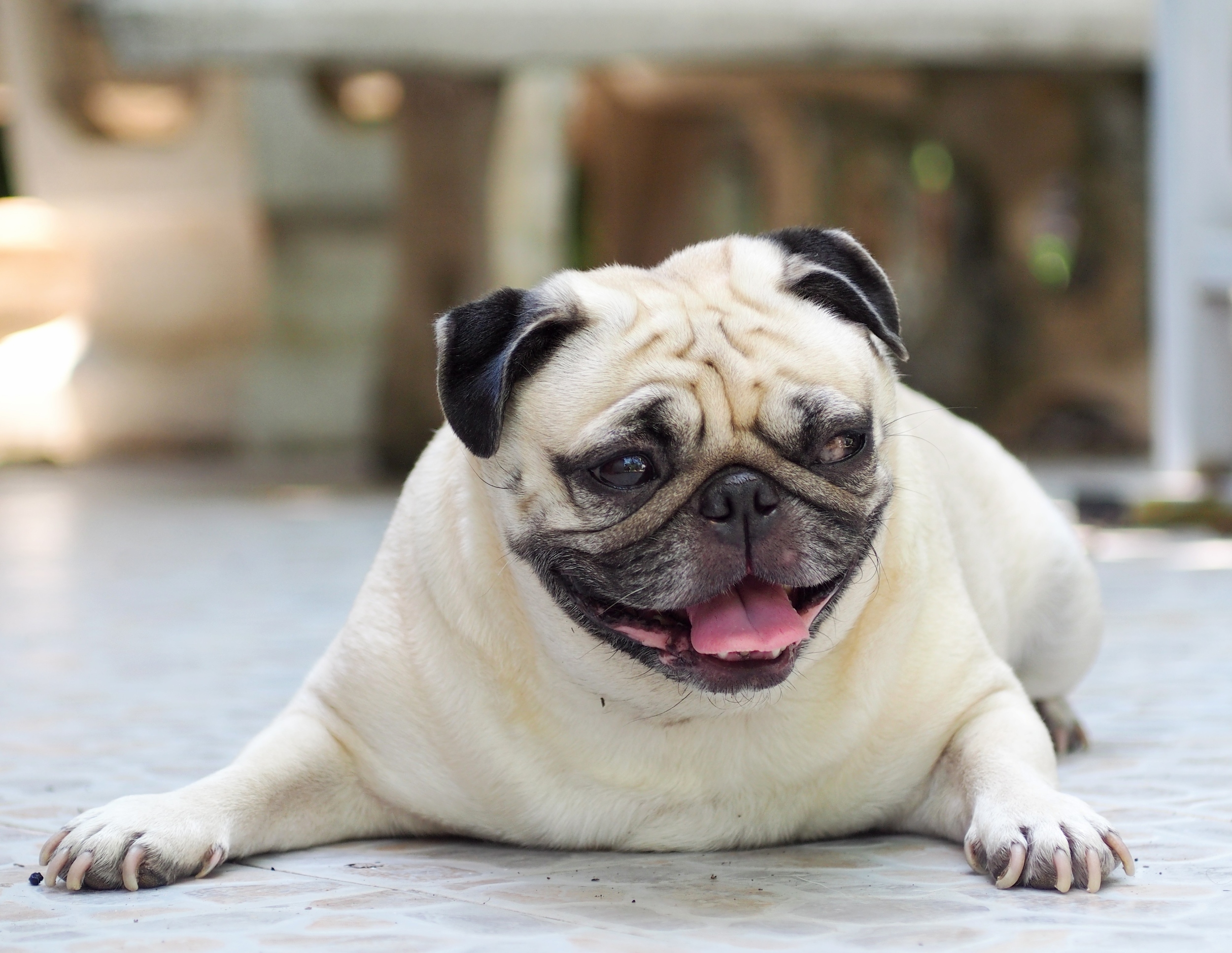
A new study has found that overweight dogs run significantly higher eye pressure than lean dogs.
That difference pushes otherwise healthy animals closer to levels long linked to vision-threatening disease.

In a controlled evaluation of 40 healthy dogs, eye pressure readings diverged clearly between lean and overweight animals.
By comparing those measurements, Dr. Oren Pe’er at the Hebrew University of Jerusalem (HUJI) demonstrated that heavier dogs consistently registered higher pressure than their lean counterparts.
On average, the heavier dogs showed eye pressure values near the high end of the normal range, while lean dogs remained much lower, creating a clear and consistent separation between the two groups.
Although both groups remained within the accepted 10 to 25 millimeters of mercury (mmHg) range, the heavier dogs clustered far nearer the upper boundary, sharpening concern about what added weight may mean for long-term eye health.
Numbers near the edge
Inside every healthy eye, intraocular pressure – the push from fluid inside the eyeball – stays within a narrow band.
Veterinarians check it with a handheld meter, and even a few extra points can strain delicate tissues.
A wide spread separated lean and heavy dogs, and that difference stayed large enough to stand out in routine checks.
Higher readings do not prove eye disease, yet they hint that extra fat may change how the eye drains fluid.
How eyes drain fluid
Clear fluid washes the front of the eye, and steady drainage keeps pressure from climbing hour after hour.
When this balance breaks down, glaucoma can develop – a condition in which rising pressure damages the optic nerve and threatens vision.
Extra fat around the eye socket can raise vein pressure, leaving less room for fluid to exit.
Beyond simple pressure on tissues, obesity also changes hormones and blood fats that can affect how vessels behave in the eye.
Fat changes body chemistry
Across dogs and people, a 2017 open-access review described canine obesity as common, and body fat as active tissue that releases hormones.
Blood tests in the dogs showed higher triglycerides, fats that circulate in the bloodstream, among the overweight group.
A hormone made by fat cells called leptin rose too, and both markers tracked higher eye pressure at first.
Once the analysis separated out overall body condition, those blood signals no longer explained pressure, so fatness itself stayed central.
Breeds with higher risk
Some dogs inherit drainage problems, so an extra nudge in pressure could matter more for them than for others.
“Obesity might be a modifiable risk factor in dogs predisposed to glaucoma,” said Pe’er.
Healthy dogs without eye disease still showed the pattern, meaning pressure rose even before any diagnosis of glaucoma.
Follow-up work must test whether weight loss brings pressure down, especially in dogs already monitored for eye trouble.
Why the body condition score matters
Many clinics use a one-page chart to grade ribs, waist, and belly fat by touch. Veterinarians call the rating a body condition score, a nine-point scale that ranges from too thin to obese.
Scores of four or five mark an ideal shape, while six and above means extra fat covers the ribs.
Each one-point rise on that scale raised eye pressure by just under 2 units, so even small gains carried a measurable cost.
Food portions and treats set most of a dog’s calorie balance, so small changes can slow weight gain. With a vet’s plan, owners can aim for steady loss, then track body condition scores and eye readings.
Less fat can lower vein pressure and change hormone levels, which could ease fluid drainage inside the eye.
Weight-loss trials have not tested eye pressure yet, so vets treat the finding as a warning, not a guarantee.
Limitations of the data
Only a small group of dogs took part in the study, and all came from one university community, so results may differ elsewhere.
Because the team measured weight and pressure at one time, the data cannot prove that fat caused the rise.
Advanced scans of fat distribution and detailed checks of drainage angles were not part of the work, leaving open other causes.
Future studies at HUJI and beyond should follow dogs over years and test whether slimming down lowers pressure in practice.
What vets may change
Annual checkups already include weight, but eye pressure may deserve a closer look when body condition climbs.
A quick pressure reading takes seconds, and it can flag dogs whose numbers run high before owners notice symptoms.
For dogs with family history of eye disease, weight counseling could join routine screenings as part of long-term vision care.
These results put body condition on the same checklist as eye exams, giving owners another reason to act early.
Extra weight raised eye pressure in healthy dogs, and the biology points to drainage changes that owners can influence.
Closer monitoring of body condition and eye pressure may help veterinarians intervene earlier, while future studies will determine whether weight loss can truly safeguard dogs’ vision.
The study is published in the Journal of Veterinary Internal Medicine.
—–
Like what you read? Subscribe to our newsletter for engaging articles, exclusive content, and the latest updates.
Check us out on EarthSnap, a free app brought to you by Eric Ralls and Earth.com.
—–
link